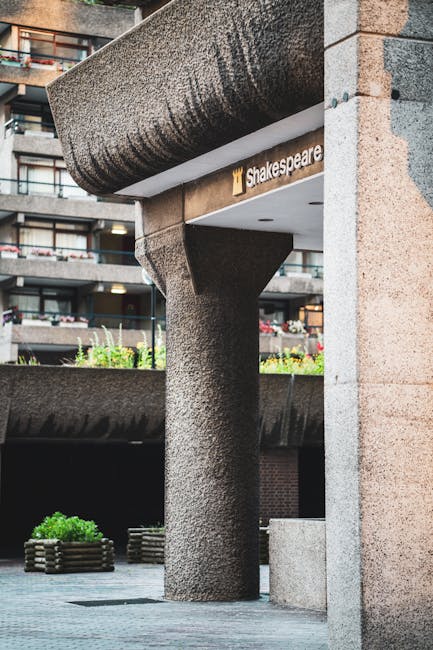
Barbican Estate bulky rubbish collection guide
If you live or work around the Barbican, bulky rubbish has a way of turning into a bigger problem than it first looks. A broken sofa leaning by the door, a wardrobe that will not fit down the stairs, or a pile of old office chairs after a refit can quickly become a nuisance. This Barbican Estate bulky rubbish collection guide walks you through the sensible way to clear large items without stress, wasted time, or awkward mistakes. You will also find practical advice on access, sorting, compliance, and choosing the right removal option for the job.
The Barbican is not your average estate. Tight access points, lifts, loading bays, concierge rules, and shared entrances all change the way bulky waste needs to be handled. So let's make this simple, useful, and realistic.
Why Barbican Estate bulky rubbish collection guide Matters
Bulky rubbish is not just "more rubbish". It usually needs planning, physical effort, and the right disposal route. In the Barbican, that matters even more because many homes and premises sit within a complex estate layout. You may have shared corridors, restricted parking, or a lift that is perfectly fine for people but not for a lumpy old armchair wedged at a strange angle. True story, that happens more often than you think.
Getting bulky items wrong can lead to blocked walkways, strained neighbours, missed collection slots, and avoidable damage to walls, doors, and flooring. It can also create extra cost if a collection team has to wait around while someone tries to untangle a bed frame from a landing that suddenly feels half its size.
The other reason this matters is simple: not every large item belongs in the same disposal stream. Furniture, appliances, electrical items, mattresses, office equipment, builders' debris, and garden waste all have different handling needs. Some can be reused or recycled; some need specialist treatment; some should never be mixed in with general waste. A clear plan saves time and, usually, money too.
Expert summary: In a place like the Barbican, the best bulky rubbish collection is rarely the fastest one you improvise on the day. It is the one you plan for, sort properly, and match to the building's access rules.
How Barbican Estate bulky rubbish collection guide Works
At a practical level, bulky rubbish collection is about matching the item to the right removal method. For a single heavy item, that might mean lifting and loading by hand. For a larger clear-out, it could mean a team collecting several pieces in one visit. And if you are dealing with mixed waste, you may need a broader waste removal solution instead of a one-item pick-up.
Most collections follow a similar rhythm:
- Identify the items you need removed and separate anything reusable, recyclable, or sensitive.
- Check access around lifts, stairwells, loading areas, and any estate rules.
- Choose the right service for furniture, appliances, household clearances, or mixed bulky waste.
- Book a time that works with building access and your own schedule.
- Prepare the items so they can be carried out safely and without unnecessary delays.
- Confirm disposal and make sure the waste is handled in a lawful, traceable way.
That last point is worth saying twice. Good bulky waste handling is not only about making space. It is also about knowing where your items end up. If you are disposing of furniture, it may be worth looking at furniture disposal or, for larger mixed furniture jobs, furniture clearance.
For appliance-heavy jobs, services such as fridge and appliance removal are usually the better fit. A fridge is not just "a big box", after all. It is bulky, awkward, and often needs careful handling because of its components.
Key Benefits and Practical Advantages
A proper bulky rubbish collection does more than clear floor space. It reduces friction. That sounds a bit corporate, but it is true. You spend less time moving things twice, fewer people get dragged into lifting duties, and the job is finished with less disruption.
- Less stress: No scrambling for favours, vans, or last-minute parking permits.
- Safer handling: Heavy items are moved with more care and the right equipment.
- Cleaner spaces: Corridors, storage cupboards, and communal areas stay clear.
- Better recycling outcomes: Items are more likely to be separated properly.
- More control over timing: Useful when you are working around building access or tenancy deadlines.
- Better for mixed clear-outs: Ideal when bulky rubbish is only one part of a bigger project.
For example, if you are clearing a home office after a relocation, you may need to combine document shredding, furniture disposal, and general waste removal. In that case, a single coordinated visit makes a lot more sense than four separate arrangements. If confidentiality matters, confidential shredding can be a useful addition to the plan.
And yes, it can be surprisingly satisfying to see a room go from cramped and awkward to calm and usable again. A small thing, maybe, but a real one.
Who This Is For and When It Makes Sense
This guide is for anyone in the Barbican Estate dealing with items that are too large, too awkward, or too many to manage as ordinary household rubbish. That includes residents, landlords, tenants, office managers, letting agents, and tradespeople working on flats or communal areas.
It makes sense when you have:
- old sofas, armchairs, or bed frames
- mattresses that cannot be folded or compressed safely
- wardrobes, shelves, tables, or cabinets
- broken appliances or white goods
- garage, loft, or storage room clutter
- bulky items left behind after a move-out
- office desks, chairs, and filing furniture
- builders' leftovers that are too large for normal bins
If your situation is more of a whole-property reset, then home clearance or house clearance may be more appropriate. For flats and compact internal spaces, flat clearance is often a better fit because it reflects the realities of shared entrances and limited manoeuvring room.
Business users should think slightly differently. Office refurbishments, downsizing, and end-of-lease clean-outs often need office clearance or business waste removal, especially when the waste includes mixed furniture, equipment, and packaging.
Step-by-Step Guidance
Here is the practical version. Nothing fancy, just a clear route through the process.
1. List everything you want removed
Walk through the space and make a note of each item. Be specific. "Old chair" is fine for your own checklist, but "two office armchairs and one broken desk" is much more useful when booking a collection. If you can, add rough dimensions. It saves guesswork later.
2. Separate items by type
Keep furniture, electrical items, mattresses, garden waste, and builder's waste apart if possible. This makes collection easier and improves recycling. If you have a small pile from DIY work, check whether it belongs with builders waste clearance rather than a general bulky collection.
3. Check access before you book
In the Barbican, access can be the whole game. Measure doorways if needed. Think about lift dimensions, turning space, loading zones, and any time restrictions on estate access. A collection team can work far faster when they know whether they are dealing with a ground-floor flat or a third-floor walk-up with one narrow corridor and a stubborn corner.
4. Identify anything special or restricted
Hazardous materials, chemicals, sharps, paint, and certain electrical items may need separate handling. Do not leave these in with normal bulky rubbish and hope for the best. If you are unsure, use hazardous waste disposal guidance before moving ahead.
5. Book the right collection option
Choose the most suitable service for the material you are moving. A sofa and mattress job is not the same as a mixed office strip-out. For example, mattress and sofa disposal is more targeted than a general waste visit, which can be a good thing if you only have bulky soft furnishings.
6. Prepare the items safely
Remove loose contents, tape shut drawers if necessary, unplug appliances, and clear a route from the item to the exit. If a cabinet can be dismantled safely, that may help. If not, do not force it. Splintered MDF and bad ideas are a poor combination.
7. Confirm the handover
Before the team leaves, make sure the right items have gone and that any paperwork or service confirmation you need is sorted. If you are a business, it is smart to keep records of waste transfers and service details for your own files.
Expert Tips for Better Results
Small improvements make a big difference with bulky rubbish. The first tip is obvious, but people still skip it: take a minute to plan the route out of the building. The best collection job is the one that does not involve three people muttering in a corridor at 8:15 in the morning.
- Measure before moving: Especially for wardrobes, wardrobes are sneaky like that.
- Group similar items: Furniture with furniture, appliances with appliances.
- Keep walkways open: This helps both safety and speed.
- Take photos if booking remotely: Helps describe awkward or oversized items accurately.
- Check recycling opportunities: Some items can be diverted more easily if sorted in advance.
- Do not overpack the route: One neat stack is better than a mountain in the hallway.
If your items are mostly soft furnishings, it may be worth comparing furniture-led disposal with a broader waste removal job. The right choice depends on what else is in the pile. It really does.
Another practical tip: if you are clearing a loft, garage, or storage room, do not assume everything should be dragged out in one go. Sometimes a staged approach is smarter. A loft clearance can be easier, safer, and less exhausting than trying to empty a whole space in a single rush.
Common Mistakes to Avoid
The biggest mistake is underestimating the size of the job. A single item may look manageable until you reach the stairwell and realise it was designed by someone who believed in minimal space and maximum inconvenience.
- Leaving booking too late: This often leads to rushed decisions and higher stress.
- Not checking access: A collection team arriving to find no route or no parking is frustrating for everyone.
- Mixing restricted items with general bulky waste: This can complicate removal.
- Forgetting to separate valuables or paperwork: Easy to do, annoying later.
- Assuming every large item is handled the same way: It is not.
- Trying to lift too much by yourself: Back injuries are not a badge of honour.
Another common slip is thinking a sofa, a wardrobe, and a broken printer can all be handled as one simple "collection". Sometimes yes, sometimes no. If the load is mixed and includes office equipment or sensitive papers, you may need a combined approach that includes office clearance or confidential disposal support.
And a small one, but important: do not leave bulky items in communal areas "just for a bit". That creates fire safety and access issues fast. Nobody wants that email from management.
Tools, Resources and Recommendations
You do not need much to prepare well, but a few basic tools help. A tape measure, gloves, sturdy bags for loose contents, moving straps, and a torch for dark storage areas are usually enough for most household jobs. For larger clearances, a trolley or sack truck can help, but only if you already know how to use it safely.
Useful service pages to review, depending on what you are moving:
- pricing and quotes if you want to understand how jobs are usually assessed
- recycling and sustainability if you want waste kept out of landfill where possible
- payment and security if you are booking online and want reassurance about safe payment handling
- insurance and safety if you want to check how care and cover are handled
- what can go in a skip if you are considering a skip as an alternative
For household overflows, you may also find garage clearance and garden clearance relevant if the bulky items are spread across different storage areas. The point is to match the service to the space, not force the space to match the service. That is usually where jobs go sideways.
Law, Compliance, Standards, or Best Practice
Bulky rubbish collection in the UK sits within a wider framework of waste handling duties, safety expectations, and responsible disposal practice. You do not need to become a waste-law scholar, thankfully, but you should know the basics.
First, waste should be handled by a competent party and disposed of properly. That is especially important for commercial clients, landlords, and managing agents. Second, certain items may need special handling because they contain electrical components, refrigerants, textiles, or potentially hazardous materials. Third, safe lifting and access planning matter because injuries and damage are real risks, not theoretical ones.
Best practice usually means:
- sorting waste before collection where practical
- keeping restricted items separate
- using appropriate handling methods for heavy objects
- maintaining a clear route through the property
- checking any building or estate rules in advance
- retaining records for business or tenancy-related waste jobs
If you are dealing with an office, document-heavy clear-out, or anything involving sensitive files, then secure handling is important. That is where confidential shredding becomes part of good practice rather than a nice-to-have.
For larger fit-outs and refurbishment work, builders' and mixed debris should be separated carefully. A few scraps of wood are one thing. A full strip-out is another. If your project has that feel to it, a builders waste clearance service can be a better match than a general bulky collection.
Options, Methods, or Comparison Table
There is more than one way to clear bulky rubbish at the Barbican, and the right choice depends on volume, access, urgency, and the type of waste involved.
| Option | Best for | Pros | Watch-outs |
|---|---|---|---|
| Single bulky item collection | One or two large items | Simple, quick, low fuss | Not ideal for mixed loads |
| Furniture clearance | Sofas, tables, wardrobes, chairs | Good for multiple furniture items | May still need sorting if waste is mixed |
| Flat or home clearance | Multiple rooms or full-property clear-outs | Efficient for larger jobs | Needs more planning and access coordination |
| Office clearance | Desks, chairs, monitors, archives | Suited to business premises and refits | May involve confidential or electrical items |
| Skip alternative | DIY, renovation, or mixed debris | Handy if you can fill gradually | Access and loading restrictions may apply |
If you are still unsure, think in terms of what will be easiest to remove safely and sort properly. For soft furnishings, mattress and sofa disposal may be the cleanest fit. For furniture-heavy rooms, furniture clearance often makes the whole process simpler.
Case Study or Real-World Example
Imagine a flat in the Barbican after a tenant move-out. The living room has a sofa, a coffee table, two dining chairs, a mattress, and a small stack of boxed items left in the corner. The corridor is shared, the lift is narrow, and the building has a set time window for loading.
The easiest mistake would be to tackle it item by item on the day, hoping it all works out. It rarely does. The smarter approach is to group the items, check access first, and split anything delicate or restricted from the main bulky load. If the bedroom furniture is mostly intact, that can go with one collection. If the mattress and sofa are the main problem, they can be handled together through a targeted disposal route.
In a slightly different scenario, a small office near the estate is replacing desks and storage units after a reconfiguration. There are a few monitors, some paperwork, and broken filing cabinets. That job is not just "rubbish removal"; it needs a bit of judgement. The confidential papers should be separated, the electronic items identified, and the furniture removed in a way that keeps the workplace safe and usable the same day.
That is the quiet advantage of planning properly: the clear-out feels manageable instead of chaotic. And honestly, that feeling is worth a lot on a busy weekday morning.
Practical Checklist
Use this before arranging your bulky rubbish collection:
- List every item clearly
- Separate furniture, appliances, and general rubbish
- Remove personal belongings and valuables
- Check lift, stair, and doorway access
- Confirm any loading restrictions or estate rules
- Flag hazardous, electrical, or confidential material
- Measure anything oversized
- Choose the right service type
- Decide whether recycling or reuse may apply
- Prepare a clear route to the exit
- Keep payment and booking details handy
- Make sure you understand the handover process
If you are dealing with storage spaces, lofts, or garages, add one more line to the checklist: do not start pulling everything out at once. That tends to create a heap faster than a plan. A methodical approach wins nearly every time.
Get a free quote today and see how much you can save.
Conclusion
A good Barbican Estate bulky rubbish collection guide is really about helping you clear large items with less guesswork and more confidence. The estate layout, access limits, and item variety all make planning worthwhile. When you take the time to sort properly, choose the right service, and think through access, the whole job becomes far easier to manage.
Whether you are clearing one sofa, a full flat, an office corner, or a tired old storage room, the best result is usually the same: a clean, open space and one less thing hanging over you. That feels better than you expect, to be fair.
Frequently Asked Questions
What counts as bulky rubbish in the Barbican Estate?
Bulky rubbish usually means items too large or awkward for normal household bins, such as sofas, mattresses, wardrobes, tables, chairs, appliances, and large storage items. If you need a broad solution, waste removal may cover mixed loads more comfortably than a basic bin-clearance approach.
Can bulky items be collected from flats with limited access?
Yes, but access details matter a lot. Lift size, stair width, and loading arrangements all affect how the collection is planned. This is why flat and home clearances are often more suitable than a one-size-fits-all removal.
Do I need to separate furniture from other waste?
Usually, yes. Separating furniture helps with handling, recycling, and disposal planning. For larger furniture-only loads, furniture clearance is often the neatest option.
What should I do with old mattresses and sofas?
These are best treated as bulky soft furnishings rather than ordinary rubbish. mattress and sofa disposal is designed for that kind of item and can make the process much simpler.
Can I include a fridge or other appliance with bulky waste?
Sometimes, but appliances are often better handled separately because they may need specific care. fridge and appliance removal is the safer and clearer route for white goods.
What if my items include confidential papers or documents?
Keep those separate from the main bulky rubbish. confidential shredding is the more appropriate route when privacy matters.
Is bulky rubbish collection suitable for office clear-outs?
Yes, especially for desks, chairs, cabinets, and mixed office items. For larger workspaces, office clearance is usually a better fit than general household waste disposal.
How do I know whether I need a skip instead?
If you have a steady stream of mixed waste from a refurbishment or DIY project, a skip may suit you better. It depends on access, volume, and the type of material. The page on what can go in a skip is useful when weighing up the options.
Are there items that should not go with normal bulky rubbish?
Yes. Hazardous materials, some electricals, chemicals, and other restricted items should be treated separately. If you are unsure, check the guidance for hazardous waste disposal before booking.
How can I keep bulky rubbish collection cost-effective?
Sort items in advance, group similar materials, and choose the most suitable service for the load. You may also want to review pricing and quotes so you know how the job is likely to be assessed.
What is the best option for a full flat clear-out?
For a full move-out or end-of-tenancy job, flat clearance or home clearance is usually more practical than collecting items piecemeal.
How do I make the process safer on the day?
Clear the route, lift only what is manageable, keep exits open, and do not rush awkward items through tight spaces. If you have any concern about safety or access, it is worth reviewing insurance and safety before the job begins.
For a straightforward next step, choose the service that matches your items, prepare the access route, and book with confidence. A calm, organised clear-out is often the quickest one in the end. And once the space is empty, well, you will notice the difference immediately.