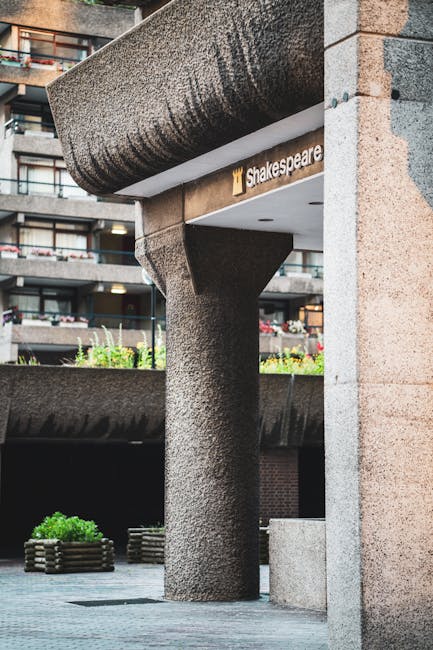
Commercial Waste in Barbican

Commercial waste in Barbican needs a service that is tidy, consistent and suited to the sort of premises found in the area. We collect business rubbish from offices, retail units, hospitality spaces, managed buildings and other commercial premises, then move it into a lawful disposal route with the right attention to sorting, loading and paperwork where relevant. The aim is straightforward: keep day-to-day operations moving while waste is taken away in a way that is practical for your site.
Our service covers mixed business waste, office clear-outs, unwanted furniture, packaging, archived material, and other non-hazardous commercial refuse that builds up between regular collections. Where needed, we can also support with business waste removal for routine premises needs, plus one-off work when stockrooms, back offices or shared spaces need attention. If you are comparing options, pricing and quotes gives a useful starting point for understanding what affects the cost.
For many customers, the practical question is not just what can be removed, but how the job is handled around staff, access routes and building rules. Please tell us what type of waste you have, roughly how much there is and any site restrictions, then we can help you plan the most suitable collection. If you are ready to move ahead, request a quotation and we will take the next step from there.
Business waste collection for offices and shared premises
Office and workplace waste often contains a mix of paper, cardboard, packaging, broken furniture and outdated items that do not fit neatly into a single bin stream. We collect mixed commercial waste with an approach that keeps reusable or recyclable material separate where possible and makes it easier to clear several categories in one visit. That can suit firms in smaller suites, shared buildings and larger workspaces where back-office clutter has started to take over useful floor space.
If your premises create a steady flow of office waste, a planned collection can be easier than waiting for a larger accumulation. We work with items such as desk chairs, filing cabinets, shelving, monitors and general office rubbish, subject to the usual handling limits and any restrictions on specific materials. For broader workplace clean-outs, our office clearance page explains the sort of jobs that fit alongside routine waste removal, while confidential shredding is relevant where secure disposal of sensitive paper is part of the job.
What a typical business collection can include
A commercial collection is usually most efficient when the waste types are identified clearly in advance. Common items include packaging, archive boxes, unwanted furniture, mixed bagged rubbish and equipment casings. A simple way to prepare is to separate anything that is obviously reusable, note any bulky items that may need two people to move, and highlight any access points that could affect loading. That helps us plan the removal accurately and keeps the collection focused on the work that matters.
Bulky items, furniture and interior clear-outs

Commercial sites often need more than a bin emptying service when desks, seating and storage units are replaced. We remove bulky items that are awkward to move through working premises, including office furniture, reception pieces and other large fittings that have come to the end of their useful life. Where the layout is tight, the priority is to remove items carefully without damaging walls, floors or common areas, and to keep the process orderly for occupants and visitors.
For customers with a wider mix of loose items and furniture, our furniture disposal page covers the handling of individual pieces, while furniture clearance is more suitable when several items need to go together. If the work involves a complete room or suite, flat clearance and home clearance show related clear-out approaches for larger domestic-style jobs that may be relevant where premises include living accommodation or mixed-use spaces.
The most useful distinction is between isolated bulky waste and a broader interior clearance. An isolated collection might involve one sofa, a few chairs or several desks, whereas a clearance usually includes a fuller sweep of the space, with smaller items gathered at the same time. If you are not sure which is the better fit, describe the contents rather than trying to label the job perfectly; the list of items is usually more helpful than the name of the service.
Appliances, specialist items and restricted loads
Not every commercial clearance is limited to paper, packaging and furniture. Some premises also need help with fridges, small appliances or other awkward items that cannot simply be left with ordinary rubbish. We can handle selected specialist loads where the material type and access arrangements are suitable, and where the waste can be directed to the correct processing route. That makes it easier to clear storerooms, kitchenettes, staff areas and back-of-house spaces in one organised visit.
When equipment is involved, the important point is to separate what is safe for collection from what requires a different treatment. Our fridge and appliance removal page is useful if you have cooling units or electrical items, while mattress and sofa disposal covers pieces that are more awkward to move but are still common in mixed premises. For waste that should not be treated as ordinary rubbish, hazardous waste disposal is the more suitable place to look.
Knowing what can be handled separately
Some waste streams need more careful screening than standard office or furniture waste. Items that may contain chemicals, sharp residues, pressurised contents or other controlled materials should be identified early, because they may need a different disposal route altogether. The same is true of items that are heavy, fragile or shaped in a way that makes access difficult. A good quotation is usually based on a clear description of the load, not just the total volume, so a little detail at the outset can prevent delays later.
Garages, stores, lofts and mixed-use spaces

Many commercial buildings include awkward storage areas where waste collects gradually rather than all at once. Basements, plant rooms, cupboards, garages and loft spaces can all become holding areas for redundant stock, broken fixtures and forgotten items. Our clearance work can help empty these spaces methodically, especially where the contents need sorting before they can leave the property. That is often more efficient than trying to move everything in one unsorted load.
For these jobs, garage clearance and loft clearance are useful related services when the space itself is the main focus. If your waste is more general and spread across several rooms or storage areas, waste removal gives a broader option, while builders waste clearance is better suited to debris left by fit-outs, refurbishments or small alteration projects.
Access planning matters in these spaces because stairs, narrow hatches, limited headroom and shared corridors can affect how quickly the work can be completed. Where access is simple, the job is usually straightforward; where it is constrained, the load may need to be broken down into smaller sections. If you can describe the space and the items together, we can advise on the most sensible approach before anything is booked.
Waste from refurbishments and building work
Commercial premises often create a different kind of waste when they are being refurbished, repaired or reconfigured. Offcuts, packaging, broken fittings, plasterboard, timber and mixed renovation debris can build up quickly, especially if tradespeople are working in stages. We remove suitable builders’ waste and related material from non-domestic sites, helping you keep the work area clearer and making it easier for teams to continue without unnecessary obstruction.
For refurbishment-heavy jobs, builders waste clearance is the most relevant service page, and it sits well alongside our broader collection work when a project produces both construction debris and ordinary business rubbish. If you are sorting through wider commercial rubbish at the same time, business waste removal is often the better reference point. In some cases, a project may also involve recycling and sustainability considerations if you want to understand how different materials are separated.
Refurbishment waste is best handled with a clear view of volume, weight and material mix. Heavy rubble, sharp offcuts and mixed packaging are not all treated the same way, so the load needs to be described accurately. That is especially true where the site shares access with other occupiers or where the collection has to happen around contractors and deliveries. A well-defined collection saves time for everyone involved.
How quotations are put together
Quotations for commercial waste in Barbican are usually shaped by a few practical factors rather than by one fixed formula. The volume of waste, the type of materials, the ease of access and the time needed to load everything all play a part. A clearance with bulky furniture and loose packaging may be priced differently from a straightforward bagged waste collection, simply because the labour and handling requirements are not the same.
To make the process smoother, it helps to give a clear description of the waste, mention any stair access or loading restrictions and say whether the collection is one-off or part of an ongoing arrangement. If you need a convenient way to start, book online is available for customers who want to send the job details through quickly, while contact us remains the direct route for discussing more complex requirements. You can also review payment and security if you want to understand general account handling before confirming a job.
- Note the main waste types, such as furniture, cardboard, paper or mixed rubbish.
- Identify anything heavy, fragile, sharp or awkward to move.
- Check whether lifts, stairwells, loading bays or permits affect access.
- Say whether the clearance is a single visit or part of repeated collections.
- Include any site rules that could affect timing or loading arrangements.
Recycling, sorting and responsible disposal
Responsible commercial waste handling is not only about taking items away; it is also about separating what can be recovered from what needs disposal. Mixed office and business waste often contains cardboard, metals, plastics and reusable components that should be kept apart where possible. We aim to route suitable material towards the appropriate facilities, while making sure the work stays practical for the customer and consistent with the material type being collected.
Where businesses are interested in the wider journey of their waste, recycling and sustainability provides a useful overview of how different streams can be treated. The exact approach will depend on what is in the load, and not every item can be recycled in the same way. Some materials need to be separated before collection, while others are only suitable for specific processing steps after removal. A careful sort at the start often makes the later handling more straightforward.
Good sorting does not have to be complicated. In practice, it often means keeping obvious recyclables apart from general waste, not mixing electronics with paper, and setting aside items that should be checked before disposal. For businesses that want a cleaner handover, this approach can reduce confusion and support a more organised collection. It also helps staff see what has gone and what still needs to be retained, which is useful during moves, refurbishments or periodic clear-outs.
Planning a clear and orderly collection
Commercial waste collections tend to work best when the job is organised around the layout of the site rather than around the waste alone. A good plan takes account of entrances, lift capacity, concierge arrangements, opening hours and the location of the material within the building. If the waste is spread over several rooms, it may be sensible to group it before the collection so the loading process is quicker and less disruptive to the premises.
Some customers prefer to keep the preparation minimal; others like to stage the waste in one area in advance. Either can work, provided the access route is realistic and the items are described accurately. If there are any restrictions on vehicle entry, parking or loading, mention them early. For jobs that also involve archives or sensitive paperwork, confidential shredding can sit alongside the clearance where secure handling is needed. If you want the simplest route from enquiry to scheduled collection, please send your details and request a quotation today.
Commercial waste in Barbican can range from a single bulky item to a full premises clear-out, and the service should be matched to the job rather than forced into a one-size-fits-all approach. By explaining the waste type, the access conditions and the level of sorting you would like, you make it easier to arrange a collection that fits the site. That is usually the quickest path to a tidy handover and a workable plan for the next stage of your premises.