Comprehensive Guide to Business Waste Removal in Barbican
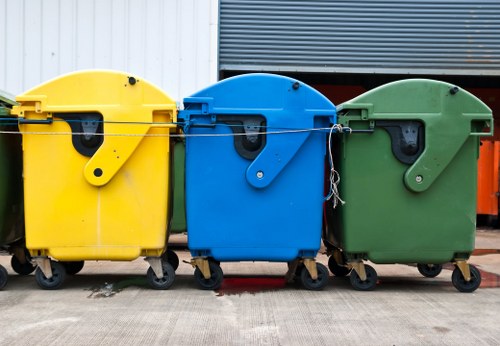
Three large wheeled rubbish bins are positioned side by side on a concrete surface, each with a distinct colour: yellow on the left, blue in the middle, and green on the right. The bins are made of durable plastic with textured surfaces and smooth, rounded edges. The yellow bin appears to be slightly larger than the others, with a prominent black handle and lid mechanism, while the blue and green bins have similar handles and lids. The bins are placed in front of a building or storage unit, with a metal wall partially visible behind them, featuring a visible large roller shutter door and corrugated paneling. The environment suggests a commercial or industrial setting, consistent with rubbish removal services provided by Commercial Waste Barbican, supporting waste collection needs within the Barbican area. The lighting is natural, with no shadows indicating diffuse daylight, emphasizing the clean and organized presentation of the waste management equipment in this urban context. Overall, the image depicts a typical arrangement of waste disposal containers prepared for collection or transportation to a disposal facility, reflecting professional rubbish management standards in London’s City of London postcode area.

Introduction to Business Waste Removal

Every thriving business generates a certain amount of waste, whether it’s from daily operations, office supplies, or manufacturing processes. Efficient waste removal is crucial not only for maintaining a clean and safe work environment but also for complying with local regulations and promoting sustainability.

In Barbican, businesses face unique challenges when it comes to waste management. From high-rise office buildings to retail spaces, the diversity of business types requires tailored waste removal solutions. This guide explores the essential aspects of business waste removal in Barbican, offering insights and actionable strategies for businesses of all sizes.

Proper waste management can enhance your company’s reputation, reduce costs, and contribute to a healthier community. Let’s delve into the key components and best practices for effective business waste removal in Barbican.

A young male waste collection worker wearing a blue safety helmet and navy-blue vest over a grey long-sleeve shirt is holding a bright green recycling bin with a blue recycling symbol on its side. The bin is filled with neatly stacked red brick fragments, indicating construction or building waste. The worker is smiling and standing against a plain white background, with his body slightly turned to the left, presenting the bin and its contents. The environment suggests a professional rubbish removal service, suitable for businesses in the Barbican area, and visualizes the process of handling waste materials, supporting effective waste removal strategies for commercial clients. The image emphasizes the importance of proper waste handling and recycling in urban environments such as Barbican, London, connecting visually to waste disposal and recycling services provided by Commercial Waste Barbican for local businesses.

Understanding Local Waste Regulations

Compliance with Barbican Waste Management Laws

Barbican has specific waste management regulations that businesses must adhere to. These rules are designed to minimize environmental impact, ensure public health, and promote recycling and responsible disposal practices.

Key Regulations:

  • Waste Classification: Proper categorization of waste into recyclable, non-recyclable, and hazardous types.
  • Disposal Guidelines: Specific procedures for disposing of different waste categories.
  • Recycling Requirements: Mandatory recycling initiatives for businesses to reduce landfill usage.
  • Reporting Obligations: Regular reporting of waste generation and disposal activities.

Non-compliance can result in hefty fines and damage to your business’s reputation. Therefore, it’s essential to stay informed about the latest regulations and ensure your waste removal practices align with them.
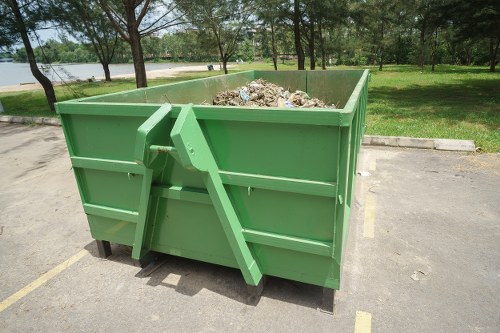
A large, open-top green skip positioned on a paved surface in an outdoor setting, filled with a mixed assortment of waste materials including paper, cardboard, plastic, and organic debris. The skip is constructed from metal with a slightly textured finish, featuring reinforced horizontal bars and sturdy corner posts for structural support. It is situated in a parking area adjacent to a grassy parkland, with several mature trees visible in the background providing shade and greenery. The surrounding environment appears bright, with natural daylight illuminating the scene, and a low curb marking the boundary between the parking space and the grass field. This image exemplifies typical rubbish collection and disposal practices in a retail or business premises, associating with the waste removal services offered by Commercial Waste Barbican, serving local businesses in the Barbican area.

Types of Business Waste

Common Waste Categories

Businesses generate various types of waste, each requiring specific handling and disposal methods. Understanding these categories is the first step towards effective waste management.

  • Office Waste: Paper, cardboard, used office supplies, and electronic waste.
  • Industrial Waste: Manufacturing by-products, chemical waste, and scrap materials.
  • Commercial Waste: Packaging materials, food waste from restaurants, and single-use items.
  • Hazardous Waste: Batteries, chemicals, and other materials that pose health or environmental risks.

Each type of waste requires a tailored approach to ensure safe and efficient removal. Partnering with a professional waste management service can help streamline this process and ensure compliance.
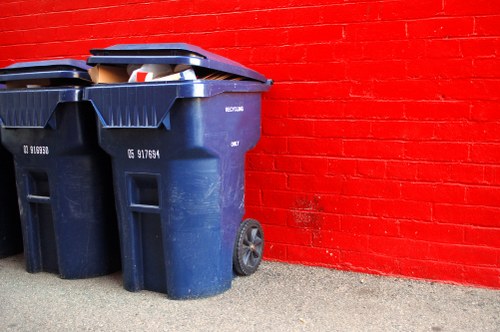
Two dark blue wheeled rubbish bins with slightly open black lids are positioned on a concrete pavement adjacent to a bright red brick wall. The bins are made of hard plastic with textured surfaces, visible scratches, and markings indicating usage. The left bin contains visible waste items, including a partially seen cardboard box, while the right bin appears less full. The bins are aligned side by side, with the left bin slightly closer to the viewer, and their wheels are located at the back. The surrounding environment suggests an exterior urban area, likely a commercial or residential space, with no other objects or signs visible in the immediate vicinity. The bright red brick wall provides a vivid background, contrasting with the dark bins, and the overall scene is illuminated by natural daylight, resulting in clear, well-defined shadows. As the image relates to waste management, it highlights common rubbish receptacles used in urban areas for segregated waste disposal, consistent with services offered by Commercial Waste Barbican and fitting within the context of effective waste removal strategies for Barbican businesses in the City of London postcode area.

Choosing the Right Waste Removal Service

Factors to Consider

Selecting a reliable waste removal service is crucial for effective business waste management. Here are key factors to consider when making your choice:

  1. Experience and Expertise: Look for a company with a proven track record in handling your specific type of waste.
  2. Compliance: Ensure the service adheres to local regulations and has the necessary licenses.
  3. Recycling Capabilities: Choose a provider that prioritizes recycling and sustainable practices.
  4. Flexibility: The ability to accommodate your business’s schedule and specific waste removal needs.
  5. Cost-Effectiveness: Competitive pricing without compromising on quality and reliability.

Investing in a reputable waste removal service can save your business time, reduce costs, and ensure that waste is handled responsibly.
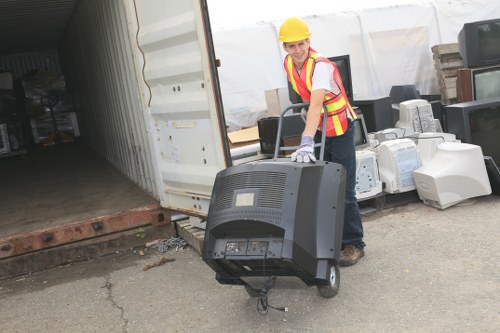
A female worker wearing a yellow safety helmet, reflective high-visibility vest, and gloves is standing outside a large cargo container or storage unit. She is holding a wheeled electronic device, possibly a portable monitor or small appliance, with both hands. Behind her, there are several old computer monitors and electronic waste stacked on the paved ground, which appears to be a commercial or industrial area near Barbican. The containers and equipment suggest a waste collection or disposal site, supported by the presence of various discarded electronic items. The background includes a white temporary or semi-permanent structure, indicating a waste management operation. The scene is well-lit, with natural daylight highlighting the textures of the concrete surface and the metallic finish of the electronic waste. This image relates to rubbish removal services offered by Commercial Waste Barbican, emphasizing proper handling and disposal of electronic waste in the local area.

Implementing Effective Waste Management Practices

Best Practices for Businesses in Barbican

Effective waste management goes beyond just removal. Implementing best practices can enhance sustainability, reduce costs, and improve overall efficiency.

  • Waste Audits: Regularly assess the types and quantities of waste your business generates to identify areas for improvement.
  • Reduce, Reuse, Recycle: Adopt the three Rs to minimize waste production and maximize resource utilization.
  • Employee Training: Educate your staff on proper waste segregation and disposal procedures.
  • Use of Eco-Friendly Products: Opt for products that are recyclable, biodegradable, or have minimal packaging.
  • Monitor and Report: Keep track of waste management activities and report metrics to stakeholders.

Implementing these practices can lead to significant environmental and financial benefits, positioning your business as a responsible and sustainable entity in Barbican.

Three large wheeled rubbish bins are positioned side by side on a concrete surface, each with a distinct colour: yellow on the left, blue in the middle, and green on the right. The bins are made of durable plastic with textured surfaces and smooth, rounded edges. The yellow bin appears to be slightly larger than the others, with a prominent black handle and lid mechanism, while the blue and green bins have similar handles and lids. The bins are placed in front of a building or storage unit, with a metal wall partially visible behind them, featuring a visible large roller shutter door and corrugated paneling. The environment suggests a commercial or industrial setting, consistent with rubbish removal services provided by Commercial Waste Barbican, supporting waste collection needs within the Barbican area. The lighting is natural, with no shadows indicating diffuse daylight, emphasizing the clean and organized presentation of the waste management equipment in this urban context. Overall, the image depicts a typical arrangement of waste disposal containers prepared for collection or transportation to a disposal facility, reflecting professional rubbish management standards in London’s City of London postcode area.

Benefits of Professional Waste Removal

Why Hire Experts?

Professional waste removal services offer numerous advantages that can enhance your business operations. Here are some key benefits:

  • Efficiency: Experts ensure timely and efficient waste collection, minimizing disruptions to your business.
  • Safety: Proper handling of hazardous materials reduces the risk of accidents and ensures a safe workplace.
  • Environmental Responsibility: Professionals are equipped to recycle and dispose of waste in an environmentally friendly manner.
  • Cost Savings: Outsourcing waste removal can be more cost-effective than managing it in-house, reducing overhead expenses.
  • Regulatory Compliance: Ensures that your business adheres to all local waste management laws and regulations.

By leveraging the expertise of professional waste removal services, your business can focus on its core operations while maintaining high standards of cleanliness and sustainability.

A young male waste collection worker wearing a blue safety helmet and navy-blue vest over a grey long-sleeve shirt is holding a bright green recycling bin with a blue recycling symbol on its side. The bin is filled with neatly stacked red brick fragments, indicating construction or building waste. The worker is smiling and standing against a plain white background, with his body slightly turned to the left, presenting the bin and its contents. The environment suggests a professional rubbish removal service, suitable for businesses in the Barbican area, and visualizes the process of handling waste materials, supporting effective waste removal strategies for commercial clients. The image emphasizes the importance of proper waste handling and recycling in urban environments such as Barbican, London, connecting visually to waste disposal and recycling services provided by Commercial Waste Barbican for local businesses.

Eco-Friendly Waste Removal Solutions

Sustainable Practices for Businesses

In today’s environmentally conscious world, sustainability is a key consideration for businesses. Eco-friendly waste removal solutions not only benefit the planet but also enhance your company’s image and appeal.

  • Recycling Programs: Implement comprehensive recycling initiatives to reduce landfill waste.
  • Composting: For businesses generating organic waste, composting is an effective way to repurpose materials.
  • Energy Recovery: Utilize technologies that convert waste into energy, reducing reliance on fossil fuels.
  • Green Certifications: Achieve certifications that demonstrate your commitment to sustainable waste management.

Adopting these sustainable practices can lead to long-term benefits, including cost savings, improved public relations, and a positive impact on the environment.

A large, open-top green skip positioned on a paved surface in an outdoor setting, filled with a mixed assortment of waste materials including paper, cardboard, plastic, and organic debris. The skip is constructed from metal with a slightly textured finish, featuring reinforced horizontal bars and sturdy corner posts for structural support. It is situated in a parking area adjacent to a grassy parkland, with several mature trees visible in the background providing shade and greenery. The surrounding environment appears bright, with natural daylight illuminating the scene, and a low curb marking the boundary between the parking space and the grass field. This image exemplifies typical rubbish collection and disposal practices in a retail or business premises, associating with the waste removal services offered by Commercial Waste Barbican, serving local businesses in the Barbican area.

Cost-Effective Waste Removal Strategies

Maximizing Efficiency While Minimizing Expenses

Managing waste efficiently can significantly reduce your business’s operational costs. Here are strategies to achieve cost-effective waste removal:

  • Optimize Waste Generation: Reduce the amount of waste your business produces through better inventory management and process improvements.
  • Choose the Right Service Plan: Select a waste removal plan that matches your business’s needs to avoid overpaying for services you don’t require.
  • Recycling and Reuse: Increase recycling efforts to lower disposal costs and potentially generate revenue from recyclable materials.
  • Regular Maintenance: Maintain waste removal equipment to prevent costly repairs and downtime.
  • Employee Involvement: Engage employees in waste reduction initiatives to foster a culture of sustainability and cost savings.

Implementing these strategies can lead to substantial savings, allowing your business to allocate resources more effectively.

Two dark blue wheeled rubbish bins with slightly open black lids are positioned on a concrete pavement adjacent to a bright red brick wall. The bins are made of hard plastic with textured surfaces, visible scratches, and markings indicating usage. The left bin contains visible waste items, including a partially seen cardboard box, while the right bin appears less full. The bins are aligned side by side, with the left bin slightly closer to the viewer, and their wheels are located at the back. The surrounding environment suggests an exterior urban area, likely a commercial or residential space, with no other objects or signs visible in the immediate vicinity. The bright red brick wall provides a vivid background, contrasting with the dark bins, and the overall scene is illuminated by natural daylight, resulting in clear, well-defined shadows. As the image relates to waste management, it highlights common rubbish receptacles used in urban areas for segregated waste disposal, consistent with services offered by Commercial Waste Barbican and fitting within the context of effective waste removal strategies for Barbican businesses in the City of London postcode area.

Technology in Waste Management

Innovations Enhancing Efficiency

Advancements in technology have revolutionized waste management, providing businesses with tools to enhance efficiency and sustainability.

  • Waste Tracking Systems: Monitor waste generation and disposal in real-time to identify patterns and areas for improvement.
  • Automated Sorting: Use automated systems to sort waste accurately, increasing recycling rates and reducing manual labor.
  • Data Analytics: Analyze waste management data to make informed decisions and optimize processes.
  • Smart Containers: Employ containers with sensors that notify when they need to be emptied, ensuring timely waste collection and preventing overflows.
  • Mobile Apps: Utilize applications that facilitate scheduling, tracking, and managing waste removal services.

Integrating these technologies can streamline waste management processes, enhance accuracy, and contribute to a more sustainable business model.

A female worker wearing a yellow safety helmet, reflective high-visibility vest, and gloves is standing outside a large cargo container or storage unit. She is holding a wheeled electronic device, possibly a portable monitor or small appliance, with both hands. Behind her, there are several old computer monitors and electronic waste stacked on the paved ground, which appears to be a commercial or industrial area near Barbican. The containers and equipment suggest a waste collection or disposal site, supported by the presence of various discarded electronic items. The background includes a white temporary or semi-permanent structure, indicating a waste management operation. The scene is well-lit, with natural daylight highlighting the textures of the concrete surface and the metallic finish of the electronic waste. This image relates to rubbish removal services offered by Commercial Waste Barbican, emphasizing proper handling and disposal of electronic waste in the local area.

Training and Education

Empowering Employees for Better Waste Management

Educating your staff about waste management is crucial for the success of your waste removal strategy. Well-informed employees can significantly reduce waste and improve recycling efforts.

  • Regular Training Sessions: Conduct workshops and training programs to keep employees updated on best practices.
  • Clear Guidelines: Provide easy-to-follow instructions for waste segregation and disposal.
  • Incentive Programs: Encourage participation through rewards and recognition for effective waste management.
  • Communication Channels: Establish open lines of communication for employees to ask questions and provide feedback on waste practices.
  • Visual Aids: Use signs, posters, and other visual tools to remind employees of proper waste disposal methods.

By fostering a culture of awareness and responsibility, your business can achieve more effective and sustainable waste management outcomes.

Three large wheeled rubbish bins are positioned side by side on a concrete surface, each with a distinct colour: yellow on the left, blue in the middle, and green on the right. The bins are made of durable plastic with textured surfaces and smooth, rounded edges. The yellow bin appears to be slightly larger than the others, with a prominent black handle and lid mechanism, while the blue and green bins have similar handles and lids. The bins are placed in front of a building or storage unit, with a metal wall partially visible behind them, featuring a visible large roller shutter door and corrugated paneling. The environment suggests a commercial or industrial setting, consistent with rubbish removal services provided by Commercial Waste Barbican, supporting waste collection needs within the Barbican area. The lighting is natural, with no shadows indicating diffuse daylight, emphasizing the clean and organized presentation of the waste management equipment in this urban context. Overall, the image depicts a typical arrangement of waste disposal containers prepared for collection or transportation to a disposal facility, reflecting professional rubbish management standards in London’s City of London postcode area.

Case Studies: Successful Waste Removal in Barbican

Real-World Examples

Examining successful waste removal initiatives can provide valuable insights and inspiration for your business. Here are a few case studies from Barbican:

  • Corporate Office Complex: Implemented a comprehensive recycling program, reducing landfill waste by 40% and saving over £10,000 annually on disposal costs.
  • Retail Store: Adopted eco-friendly packaging and partnered with a local waste removal service, enhancing sustainability and attracting environmentally conscious customers.
  • Manufacturing Facility: Introduced automated waste sorting technology, increasing recycling efficiency and minimizing hazardous waste disposal.

These examples demonstrate the tangible benefits of effective waste management, including cost savings, improved environmental impact, and enhanced business reputation.

A young male waste collection worker wearing a blue safety helmet and navy-blue vest over a grey long-sleeve shirt is holding a bright green recycling bin with a blue recycling symbol on its side. The bin is filled with neatly stacked red brick fragments, indicating construction or building waste. The worker is smiling and standing against a plain white background, with his body slightly turned to the left, presenting the bin and its contents. The environment suggests a professional rubbish removal service, suitable for businesses in the Barbican area, and visualizes the process of handling waste materials, supporting effective waste removal strategies for commercial clients. The image emphasizes the importance of proper waste handling and recycling in urban environments such as Barbican, London, connecting visually to waste disposal and recycling services provided by Commercial Waste Barbican for local businesses.

Future Trends in Waste Management

What to Expect

The waste management industry is continually evolving, with new trends shaping the future of business waste removal. Staying ahead of these trends can help your business adapt and thrive.

  • Circular Economy: Moving towards systems where waste is minimized, and materials are continuously reused and recycled.
  • Advanced Recycling Technologies: Innovations that improve the efficiency and effectiveness of recycling processes.
  • Zero Waste Initiatives: Striving for no waste sent to landfills through comprehensive waste reduction and recycling strategies.
  • Digital Waste Management: Enhanced use of digital tools and platforms for better waste tracking and management.
  • Green Logistics: Sustainable transportation and logistics practices to reduce the carbon footprint of waste removal.

Embracing these trends can position your business as a leader in sustainable waste management, ensuring long-term success and environmental responsibility.

A large, open-top green skip positioned on a paved surface in an outdoor setting, filled with a mixed assortment of waste materials including paper, cardboard, plastic, and organic debris. The skip is constructed from metal with a slightly textured finish, featuring reinforced horizontal bars and sturdy corner posts for structural support. It is situated in a parking area adjacent to a grassy parkland, with several mature trees visible in the background providing shade and greenery. The surrounding environment appears bright, with natural daylight illuminating the scene, and a low curb marking the boundary between the parking space and the grass field. This image exemplifies typical rubbish collection and disposal practices in a retail or business premises, associating with the waste removal services offered by Commercial Waste Barbican, serving local businesses in the Barbican area.

Conclusion

Taking Action for Effective Waste Removal

Effective business waste removal in Barbican is essential for maintaining a clean, safe, and sustainable environment. By understanding local regulations, choosing the right waste removal service, implementing best practices, and staying informed about industry trends, your business can achieve efficient and responsible waste management.

Investing in professional waste removal services not only ensures compliance and cost savings but also demonstrates your commitment to environmental stewardship. Start optimizing your waste management strategy today and contribute to a healthier Barbican.

Contact us today to learn more about our tailored waste removal solutions designed to meet your business needs.

Commercial Waste Barbican

Explore effective business waste removal strategies in Barbican, ensuring compliance, sustainability, and cost-efficiency for diverse business types.

Book Your Waste Collection

Get In Touch With Us.

Please fill out the form below to send us an email and we will get back to you as soon as possible.