Builders Waste Clearance in Barbican: Efficient and Reliable Solutions
![A collection of multiple black plastic rubbish bags filled with waste material, piled on a grassy area near a stone wall. The bags are tightly knotted at the top, and some have slight indentations indicating fullness and compression. The bags are positioned haphazardly, with some leaning against others, occupying the foreground of the image. The surrounding ground is covered with small fallen leaves and patches of moss, suggesting an outdoor setting in a residential or garden context. The stone wall behind the bags is constructed from irregularly shaped, weathered stones in earthy tones, providing a textured backdrop. This scene, associated with rubbish removal services, illustrates waste collection in a typical outdoor environment, possibly part of a builder’s waste clearance in a neighbourhood close to Barbican or central London, aligning with [PAGE_TITLE] and [PAGE_URL] references for Commercial Waste Barbican.](/pub/_photos/rubbish/f1344684032.jpg)
Understanding Builders Waste Clearance
When embarking on a construction or renovation project in Barbican, one crucial aspect that often gets overlooked is builders waste clearance. Proper waste management is essential not only for maintaining a clean and safe site but also for ensuring compliance with local regulations.
Builders waste encompasses a variety of materials, including concrete, wood, metals, plastics, and other debris generated during construction activities. Efficient clearance of this waste is vital to prevent environmental pollution and promote sustainable building practices.
Effective waste clearance minimizes the risk of accidents on site, enhances the overall aesthetics of the area, and ensures that construction projects proceed smoothly without unnecessary delays.

Why Proper Waste Clearance Matters
Proper builders waste clearance in Barbican is more than just cleaning up; it's about responsible waste management. By implementing efficient waste clearance strategies, builders can significantly reduce their environmental footprint.
Moreover, proper waste management aligns with local regulations, helping builders avoid hefty fines and legal complications. It also showcases a commitment to sustainability, which is increasingly important to clients and stakeholders.
Additionally, a well-organized waste clearance system enhances the overall workflow of construction projects. It ensures that waste is promptly removed, making space available for new materials and minimizing potential hazards on site.
- Reduces environmental impact
- Ensures compliance with regulations
- Improves site safety
- Enhances project efficiency

Types of Builders Waste
Builders waste can be categorized into several types, each requiring specific handling and disposal methods. Understanding these categories is essential for effective waste clearance.
Concrete and Masonry: These materials are commonly generated during demolition and construction. Recycling or repurposing concrete can significantly reduce waste.
Wood and Timber: Wood waste includes offcuts, pallet wood, and other timber waste. Proper disposal or recycling of wood materials is crucial to prevent environmental degradation.
Other Types of Waste
In addition to concrete and wood, builders waste includes metals, plastics, drywall, roofing materials, and hazardous waste such as asbestos and lead-based paints.
- Metals
- Plastics
- Drywall
- Roofing Materials
- Hazardous Waste
Steps for Effective Builders Waste Clearance
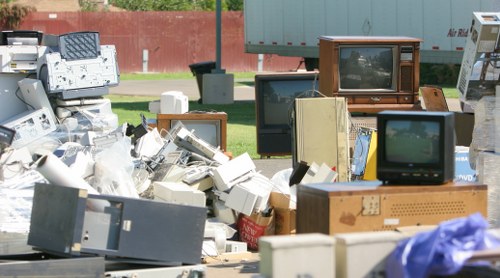
Implementing a systematic approach to builders waste clearance ensures that waste is managed efficiently and responsibly. Here are the key steps involved:
1. Waste Assessment
Begin by assessing the type and quantity of waste generated. This assessment helps in planning the appropriate disposal methods and identifying recyclable materials.
2. Segregation
Segregate waste at the source to facilitate easier recycling and disposal. Common categories include recyclable materials, non-recyclable waste, and hazardous waste.
3. Collection and Transportation
Arrange for regular collection and transportation of waste to designated recycling centers or disposal sites. Ensuring timely removal prevents accumulation and reduces the risk of environmental contamination.
4. Recycling and Disposal
Partner with reputable recycling facilities to process recyclable materials. For non-recyclable waste, ensure it is disposed of in compliance with local regulations.
5. Monitoring and Reporting
Regularly monitor waste management practices and maintain records to track progress and ensure continuous improvement.

Benefits of Professional Builders Waste Clearance Services
Hiring professional builders waste clearance services in Barbican offers numerous advantages. These services bring expertise, efficiency, and reliability to the waste management process.
Professional waste clearance companies have the necessary equipment and trained personnel to handle various types of builders waste safely and effectively. They ensure that waste is disposed of in accordance with environmental regulations, minimizing the risk of fines and legal issues.
Key benefits include:
- Expert waste assessment and planning
- Efficient waste segregation and recycling
- Compliance with local regulations
- Reduction of environmental impact
- Enhanced site safety and organization
Choosing the Right Service Provider
When selecting a builders waste clearance service, consider factors such as experience, reputation, range of services offered, and pricing. Look for companies that prioritize sustainability and have a proven track record of reliable service.
Cost-Effective Waste Clearance Solutions
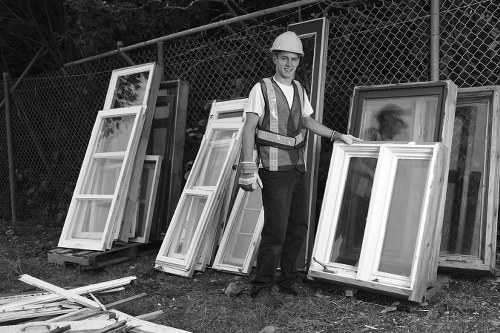
Managing builders waste clearance doesn't have to break the bank. There are cost-effective solutions available that ensure efficient waste management without compromising on quality.
One such solution is the use of recycling and repurposing materials, which can significantly reduce disposal costs. Additionally, proactive waste management practices can prevent unexpected expenses related to fines or project delays.
Many professional services offer flexible pricing structures tailored to the specific needs of construction projects, making it easier to budget for waste management.
Environmental Impact of Builders Waste Clearance
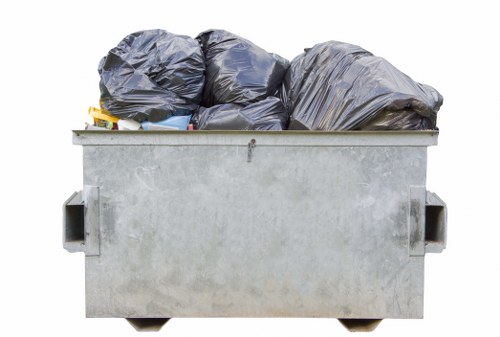
Effective builders waste clearance plays a crucial role in minimizing the environmental impact of construction activities in Barbican. By properly managing waste, builders contribute to the conservation of natural resources and the reduction of greenhouse gas emissions.
Recycling materials such as concrete, metals, and wood not only reduces the need for new raw materials but also conserves energy and decreases pollution associated with manufacturing processes.
Furthermore, proper disposal of hazardous waste prevents soil and water contamination, safeguarding the health of the community and the ecosystem.
Sustainable Building Practices
Incorporating sustainable practices in waste management is essential for the long-term viability of construction projects. Utilizing eco-friendly disposal methods and prioritizing recycling can make a significant difference in reducing the environmental footprint.

Regulatory Compliance and Waste Clearance
Adhering to local regulations regarding builders waste clearance is mandatory for construction projects in Barbican. Non-compliance can result in severe penalties, including fines and project shutdowns.
Regulations typically specify the types of waste that must be segregated, the methods of disposal, and reporting requirements. Staying informed about these regulations and implementing appropriate waste management practices is crucial for legal compliance.
Professional waste clearance services are well-versed in local laws and ensure that all waste is handled in accordance with legal standards.

Innovative Technologies in Builders Waste Clearance
The waste management industry is continuously evolving, with innovative technologies enhancing the efficiency and effectiveness of builders waste clearance.
Advanced sorting systems and recycling technologies enable faster and more accurate separation of different types of waste, facilitating higher recycling rates and reducing contamination.
Additionally, digital tracking systems allow for real-time monitoring of waste generation and disposal, providing valuable data for optimizing waste management strategies.
Future Trends
Emerging trends in builders waste clearance include the use of artificial intelligence for waste sorting, increased emphasis on circular economy principles, and the development of more sustainable disposal methods.
Best Practices for Builders Waste Clearance
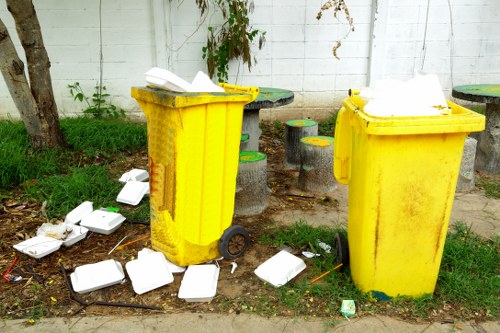
Implementing best practices in builders waste clearance ensures efficient and sustainable waste management throughout the construction process.
Some recommended best practices include:
- Conducting regular waste audits to identify areas for improvement
- Providing training to workers on proper waste segregation
- Establishing clear waste management policies and procedures
- Collaborating with certified recycling facilities
- Investing in waste reduction technologies and equipment
Implementing a Waste Management Plan
A comprehensive waste management plan outlines the strategies and actions required to manage builders waste effectively. It serves as a roadmap for achieving waste reduction goals and ensuring compliance with regulations.
Challenges in Builders Waste Clearance
Builders waste clearance comes with its set of challenges, particularly in densely populated and regulated areas like Barbican.
Some common challenges include limited space for waste storage, navigating complex regulations, coordinating with multiple stakeholders, and managing hazardous waste safely.
Addressing these challenges requires careful planning, effective communication, and the support of experienced waste management professionals.
Overcoming Challenges
To overcome these challenges, builders can adopt strategies such as optimizing waste storage solutions, staying updated on regulatory changes, and partnering with reliable waste clearance services that offer comprehensive support.
Case Studies: Successful Builders Waste Clearance in Barbican
Examining successful case studies of builders waste clearance in Barbican provides valuable insights into effective waste management practices.
For instance, a recent residential project in Barbican implemented a robust waste management plan that resulted in a 40% reduction in waste sent to landfills through effective recycling and repurposing of materials.
Another commercial construction project partnered with a professional waste clearance service, ensuring timely waste removal and compliance with all local regulations, which significantly streamlined project timelines.
Choosing Sustainable Materials to Reduce Waste
One of the most effective ways to minimize builders waste is by choosing sustainable and recyclable materials. Opting for materials that can be reused or recycled reduces the overall waste generated during construction.
For example, selecting recycled steel or sustainably sourced timber not only supports environmental conservation but also contributes to a greener construction process.
Benefits of sustainable materials:
- Reduces environmental impact
- Promotes resource conservation
- Enhances project reputation
- Potentially lowers material costs
Community Impact of Builders Waste Clearance
Effective builders waste clearance has a positive impact on the local community in Barbican. Proper waste management enhances the overall living conditions by reducing pollution and promoting a clean environment.
Additionally, responsible waste clearance practices contribute to public health by minimizing the risks associated with improper disposal of hazardous materials.
Engaging with local communities and stakeholders in waste management initiatives fosters a sense of responsibility and cooperation, leading to more sustainable and harmonious urban development.
Tips for Builders on Managing Waste Clearance
Builders in Barbican can adopt several strategies to effectively manage waste clearance, ensuring efficiency and sustainability throughout their projects.
Here are some practical tips:
- Plan Ahead: Incorporate waste management into the project plan from the outset to ensure seamless integration.
- Educate Your Team: Provide training to workers on the importance of waste segregation and proper disposal methods.
- Use Designated Waste Areas: Establish specific areas for waste storage to keep the site organized and facilitate easy removal.
- Engage with Recyclers: Partner with local recycling facilities to ensure that recyclable materials are properly processed.
- Monitor Waste Generation: Keep track of the types and quantities of waste generated to identify opportunities for waste reduction.
Future of Builders Waste Clearance in Barbican
The future of builders waste clearance in Barbican is poised to become increasingly sustainable and technologically advanced. Innovations in waste management technology and a growing emphasis on circular economy principles will drive positive changes in the industry.
Advancements such as automated waste sorting, waste-to-energy technologies, and digital tracking systems will enhance the efficiency and effectiveness of waste clearance processes.
Moreover, the integration of sustainability into construction practices will continue to gain momentum, encouraging builders to adopt environmentally friendly waste management strategies.
Embracing Sustainability
As the construction industry evolves, embracing sustainability in waste clearance will be crucial for long-term success. Builders who prioritize eco-friendly practices will not only contribute to environmental conservation but also gain a competitive edge in the market.
Conclusion: The Importance of Builders Waste Clearance
Builders waste clearance is a fundamental aspect of construction projects in Barbican, impacting environmental sustainability, regulatory compliance, and overall project efficiency.
By implementing effective waste management strategies, builders can significantly reduce their environmental footprint, enhance site safety, and ensure the smooth progression of their projects.
Investing in professional waste clearance services offers numerous benefits, including expertise, reliability, and adherence to best practices, making it an essential component of successful construction endeavors.
Take Action Today
Don't let builders waste clearance become a hurdle in your construction project. Contact us today to ensure efficient and responsible waste management solutions tailored to your needs.
